The Complete Guide to Sports Medical Certificates (2026)

Published: 26 December 2024 | Updated: 19 December 2025 (Reviewed annually) | Reading time: 6 minutes

Dr Simon Shaw - the founder and medical director at Fit Certify - a worldwide provider of online sports medical certificatesBy Dr Simon Shaw | Founder & Chief Medical Officer, Fit Certify

Dr Simon Shaw is the founder and medical director at Fit Certify — a worldwide provider of online sports medical certificates.
Contents

If you’re gearing up for a marathon, cycling race, triathlon, or swimming competition, you may need a sports medical certificate. These documents are a common requirement for athletes taking part in organised events worldwide, particularly across Europe.

Getting one can sometimes feel confusing or time-consuming. In this guide, I’ll explain exactly what a sports medical certificate is, who needs one, and how to get one online — from anywhere in the world.

This guide is reviewed and updated annually to reflect the latest sports medical certificate requirements for 2026.

What is a Sports Medical Certificate?

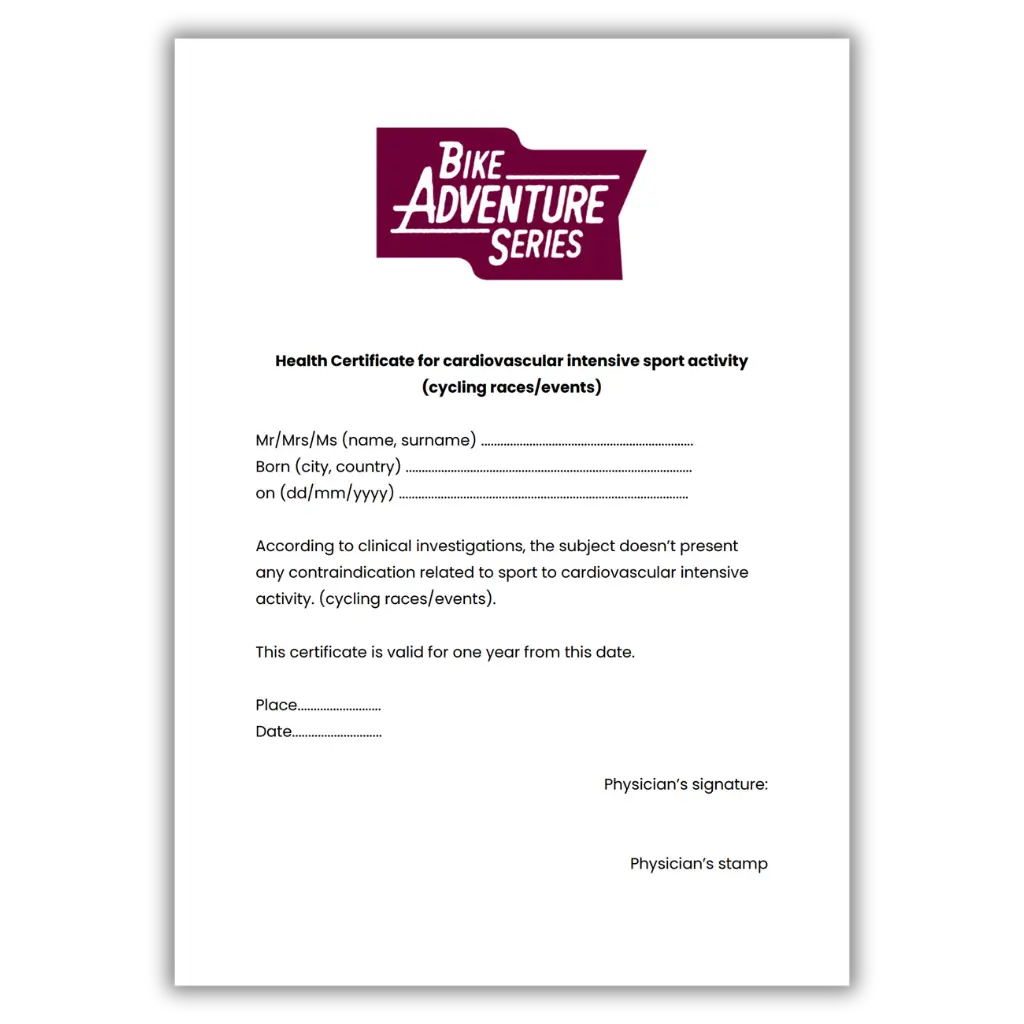
A sports medical certificate is a document from your doctor that confirms you’re fit and healthy enough to safely participate in a specific sport, competition, or physical activity. Think of it as a green light for your event — proof that there’s nothing holding you back from giving it your best.

Typically, a sports medical certificate includes:

Who Needs a Sports Medical Certificate?

Sports medical certificates are typically required for anyone participating in physically demanding sports or competitive events. Even if you’re a beginner or an amateur, you might need one for local races, training programs, or competitions.

Professional events, like marathons, cycling races, and triathlons, usually have stricter requirements. In Europe, especially in France and Italy, sports medical certificates are often mandatory due to local laws. For example, most French and Italian cycling events require a medical certificate as a standard entry condition (if you’re a cyclist, see our Medical Certificates for Cycling Events in France & Italy Guide for more details).

If you’re unsure whether you need one, it’s always a good idea to check with your event organiser well in advance. This gives you enough time to arrange any necessary tests — such as an ECG or blood pressure check — and have your paperwork completed by a doctor without any last-minute stress.

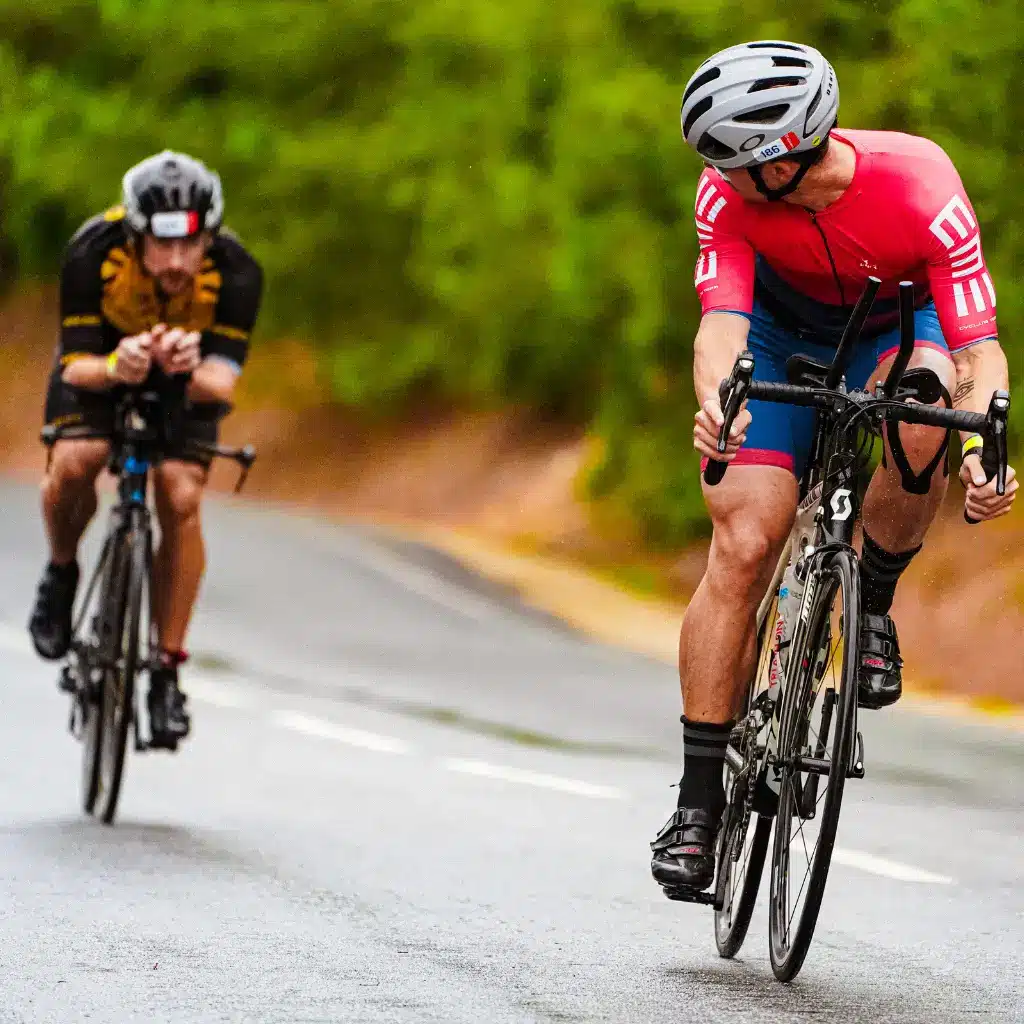
A pair of cyclists competing in a competition.

Which Sports Typically Require a Medical Certificate?

Sports medical certificates are often required for activities that are physically demanding and push participants to their limits. Event organisers ask for these medical fitness certificates to ensure everyone’s safety during the competition.

Examples of sports where a medical certificate is often needed include:

Occasionally, even non-competitive sports might require a medical certificate, depending on the criteria set by the event organiser. This is typically the case in Italy, where an Italian non-competitive sports medical certificate is often required to join a gym, tennis club or swimming pool. 

"Marathons, cycling races, triathlons and other long-distance challenges often require a medical fitness certificate"

Sports Medical Certificate Requirements in France and Italy

When it comes to sports events in France and Italy, the requirements for obtaining a medical certificate can be quite strict. Many iconic cycling events, such as L’Étape du Tour, Tuscany Trail and Italian Gran Fondos such as Strade Bianche and Dolomites, require participants to present a valid medical certificate to confirm their fitness to compete.

Similarly, popular Italian marathons such as the UTMB Chianti Trail, UTMB Puglia and the Florence Half Marathon require a medical certificate confirming there are no medical contraindications to participation.

If you’re a triathlete and planning to take on the gruelling Ironman Emilia Romagna 70.3, you’ll find that you need a doctor-signed medical certificate compliant with FITRI (Federazione Italiana Triathlon or Italian Triathlon Federation).

Interestingly, some events are beginning to shift away from traditional certificate requirements. For example, from 2025, the Paris Marathon replaced the need for a medical certificate with a mandatory health prevention course. While this trend might signal a gradual change in how fitness for participation is assessed, most events in France and Italy still require a doctor-signed sports medical certificate.

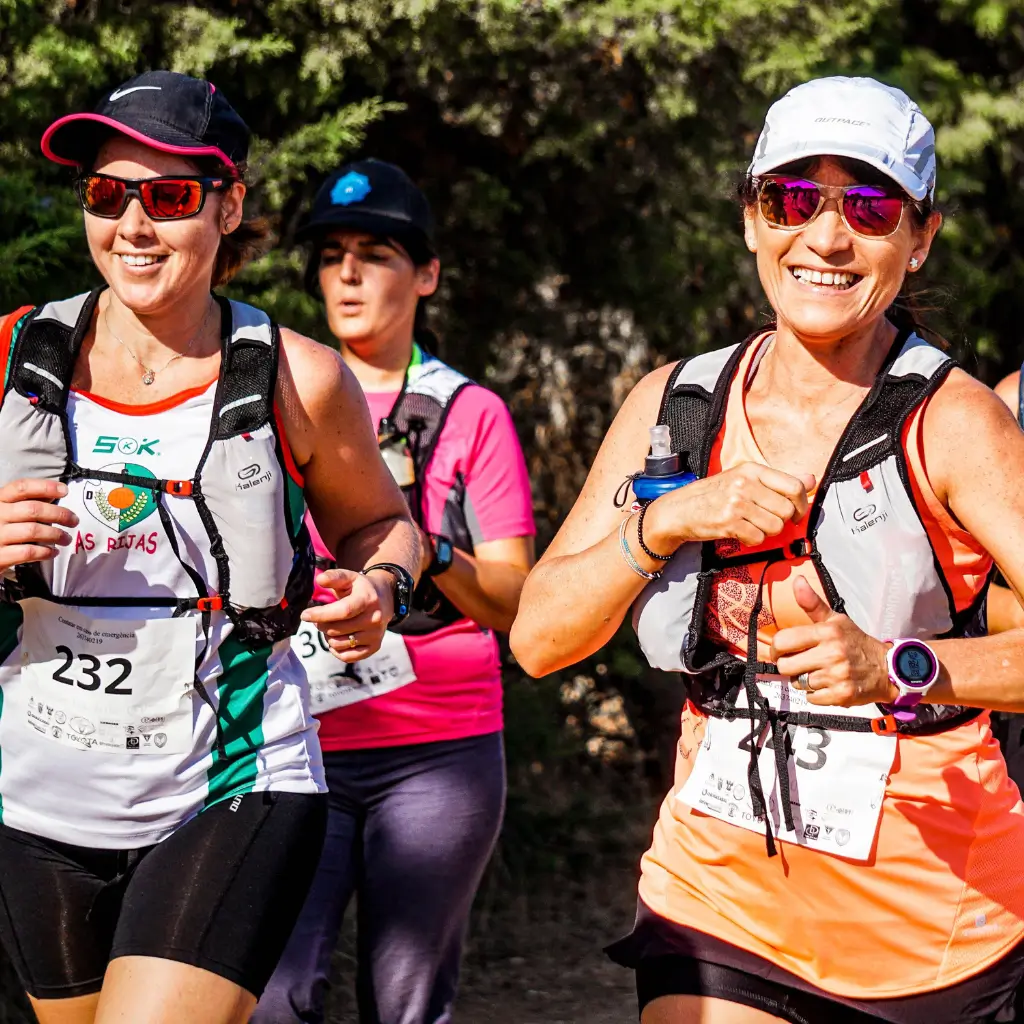
A group of women competing in a marathon.

Why Do I Need a Sports Medical Certificate?

You might be wondering why you need a sports medical certificate, especially if you’re healthy and fit enough to participate. It’s a fair question, and there are a few important reasons why organisers insist on it:

Where Can I Get a Sports Medical Certificate From?

Wondering where to get a sports medical certificate from? The best option for you will depend on factors like convenience, cost, and how quickly you need the certificate. Below, we’ll explore three popular options.

1. Your Regular Doctor 

You can visit your GP, primary care physician, or regular doctor to get your certificate signed. This option works well if you have a complex medical history, such as previous heart issues, or if your event organiser requires specialised diagnostic tests, like an exercise ECG. However, arranging an appointment can sometimes be tricky, especially in countries like the UK, where GP appointments can be in high demand. Additionally, some doctors might hesitate to sign sports medical certificates due to insurance restrictions and liability concerns.

A GP in the UK, discussing the need for a sports medical certificate.

2. Private Sports Medicine Clinic

Visiting a private sports medicine clinic is another option, particularly if you need a more detailed examination. These clinics tend to cater to professional athletes, and are usually located in larger cities or specific areas, so availability might be limited depending on where you live. They can also be the pricier option, with private doctors commanding high fees.

A doctor signing a sports medical certificate in a clinic.

3. Online Services

Many people now choose to get their sports medical certificates online because it’s quicker, more convenient, and often cheaper. This option is ideal if you’re generally healthy, without significant medical conditions like heart or lung issues, and have previously participated in events without any problems. If your event requires diagnostic tests, such as an ECG or blood pressure reading, you can usually upload the results during the application process.

At Fit Certify, for example, we specialise in providing a trustworthy, quick, and hassle-free way to get your sports medical certificate online. Our process involves filling out an online medical questionnaire, and one of our qualified sports medical doctors reviews your case and issues the certificate within just a few hours.

While online services like Fit Certify offer speed and convenience, it’s always sensible to compare providers and choose the option that best suits your medical history and event requirements.

A laptop representing online services for getting a sports medical certificate.

Online Versus In-Person: Which Option is Right for You?

Now that we’ve covered the most popular ways to get your sports medical certificate, let’s break down how you may decide between an online and in-person service. This will help you decide which option suits your needs best.

When to choose an online service

An online service may be your best choice if you are generally healthy, and want speed and convenience at a cost effective price:

When to choose an in-person service

Booking an in-person appointment or visiting a private sports medicine clinic is another option, particularly if you need a more detailed examination. These clinics tend to cater to athletes and are usually located in larger cities or specific areas, so availability might be limited depending on where you live.

Choosing the right option doesn’t have to be complicated. Think about what matters most to you — time, convenience, medical history — and pick the approach that works best for your situation.

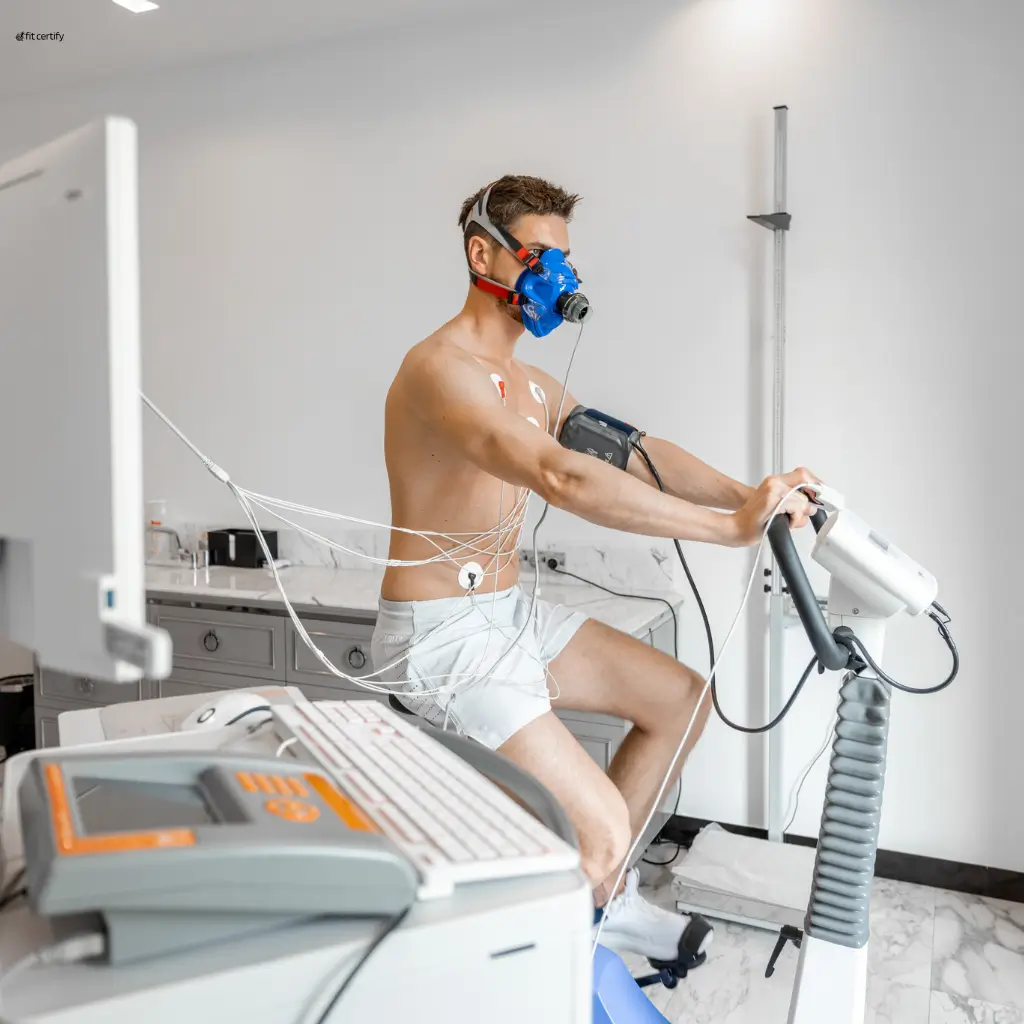
A man undergoing diagnostic testing for a sports medical certificate.

How Much Does a Sports Medical Certificate Cost?

The cost of a sports medical certificate can vary depending on the option you choose. As we mentioned earlier, online services are usually more affordable than in-person options. Here’s a quick breakdown of typical price ranges in British Pounds (£):

As you can see, prices can vary significantly. To avoid unnecessary expenses or delays, it’s always a good idea to check with your event organiser for specific requirements — like whether diagnostic tests are needed and how close to the event you’ll need your certificate. This way, you can pick the option that works best for your budget and timeline.

Regular Doctor or GP Sports Medicine Clinic Online Services
£100 – £150
£200 – £400
£50 – £80

How Long Is a Sports Medical Certificate Valid For?

In most cases, a sports medical certificate is valid for up to one year from the date it’s issued. However, some event organisers may require a certificate that’s been issued within a shorter time frame — sometimes just a few months before the event.

To avoid any issues, always double-check the expiration date on your certificate and give yourself plenty of time to get a new one if needed. Keep in mind that organisers won’t accept an expired certificate, even if it’s only expired by a single day. It’s also a good idea to watch for any updates or changes to the requirements as the registration deadline approaches.

Additionally, certain circumstances can impact the validity of your certificate. For example, if you experience an injury or receive a new diagnosis, you may need a reassessment to confirm that you’re still medically fit to participate. Staying proactive about your health ensures you’ll be ready for the big day without any last-minute surprises.

"A sports medical certificate is usually valid for up to one year from the date of issue."

Who Can Sign a Sports Medical Certificate?

A sports medical certificate is an official document, so it’s crucial that it’s signed by a registered medical professional to ensure it’s valid and accepted. Typically, this could be any licensed medical doctor, a general practitioner, family physician or a sports doctor.

Most certificates also require the signing doctor’s license number and official stamp — this is particularly important for events like cycling races and marathons in Europe, where strict regulations often apply.

To avoid any issues, always check with your event organisers for specific rules about who can sign your certificate. If you’re using a service, whether online or in-person, make sure it includes all the necessary details: the doctor’s signature, license number, and address. These elements ensure your certificate meets the required standards and avoids being rejected.

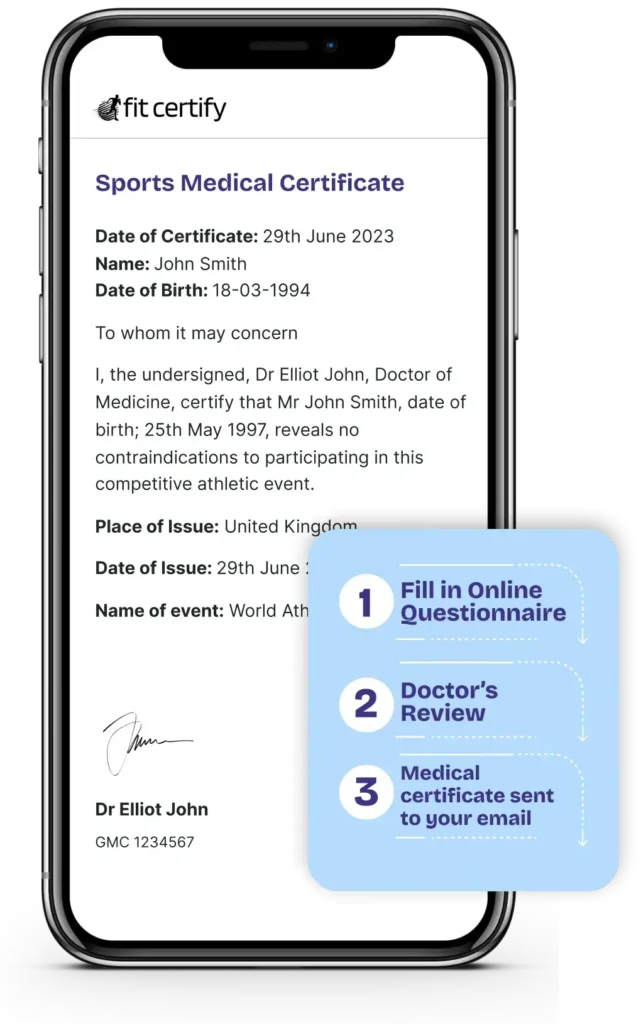
A mock up of a mobile phone displaying a sports medical certificate issued by a doctor at Fit Certify.

How to Get a Sports Medical Certificate Online in 2026

You can get a doctor-signed sports medical certificate online with Fit Certify. Here’s how it works in just 3 steps:

1

Fill out Health Form

Fill out our online form with your basic information and a few details about your health and fitness level.

2

Doctor's Review

An expert sports medical doctor from our worldwide network will review your information.

3

Receive Your Certificate

If you’re fit to compete, you’ll receive your signed and stamped certificate straight to your email – within just a few hours.

FAQs

How Do You Get a Sports Medical Certificate?

To get a sports medical certificate, follow these simple steps:

  1. Choose a recognised provider
    Use a clinic or online service that issues sports medical certificates for organised sporting events.
  2. Complete a medical questionnaire
    You’ll be asked about your medical history, current health, and the sport or event you’re entering.

  3. Undergo a medical review
    A qualified doctor reviews your information and confirms you are medically fit to participate.

  4. Receive your certificate
    Once approved, the sports medical certificate is issued, usually by email, and can be downloaded or printed for event organisers.

Most athletes can complete the entire process online in a few minutes, without needing an in-person appointment.

Yes — some non-competitive events still require a medical certificate, particularly for activities such as marathons, long-distance cycling events, or triathlons. Even if the event is not a race, organisers may ask for a certificate to confirm you are medically fit to participate and to reduce health risks during the event. 

Non-competitive sports medical certificates are also often required in Italy to join gyms, tennis clubs and use swimming pools.

There aren’t strict age restrictions for getting a sports medical certificate, but providers may pay closer attention to applications for those under 18 or over 65. This is to ensure participants are medically fit for the demands of the event.

A rejected certificate is often due to a missing stamp, incorrect format, or incomplete details. Don’t worry — it happens more often than you’d think! Simply update the certificate with your doctor or service provider, making sure it meets the event’s requirements. Once corrected, it should be accepted without any further issues.

Yes, you can reuse the same certificate if it’s still valid and meets the rules for each event. However, some events may have specific templates or additional requirements, so always double-check with the organisers before submitting a general sports certificate.

Yes, the requirements for a sports medical certificate can depend on the type of event. Most marathons need a certificate to confirm your heart is healthy, while cycling events often need one that clears you for endurance sports. Triathlons may ask for extra tests because of the long and intense activities involved.

Wrapping Up

Getting a sports medical certificate doesn’t have to be a hassle. With both online and in-person options available, you can choose the approach that best fits your schedule, budget, and medical needs.

If you’re ready to get started, you can apply for your sports medical certificate with Fit Certify and receive a doctor-signed certificate within just a few hours — so you can focus on training and enjoying the event ahead.

About the Author: Meet Dr Simon Shaw

Sports Medicine Doctor • Athlete • Founder & Medical Director at Fit Certify

Dr Simon Shaw - the founder and medical director at Fit Certify - a worldwide provider of online sports medical certificatesI’m Simon — a UK- and US-trained sports and exercise medicine doctor, family physician, GP, academic researcher, and the founder of Fit Certify. For several years, I’ve led a team of sports doctors specialising in the assessment and issuance of sports medical certificates for organised sporting and endurance activities.

As someone who trains regularly myself, I understand the preparation, commitment, and planning that go into taking part in demanding physical events — and how frustrating it can be when medical paperwork becomes a last-minute obstacle. Fit Certify was created to make obtaining a sports medical certificate simple, fast, and reliable, so you can focus on your training rather than admin.

If you need advice or have any questions, you can contact us at hello@fitcertify.com and we’ll be happy to help.

Disclaimer: This guide is for general information only and should not replace personalised medical advice.

Get a Medical Certificate for Other Popular Races

Planning to compete in a UTMB athletic event? Learn how to get your sports medical certificate online, from the comfort of your home.
Competing in the Tuscany Trail 2026? Learn about the medical certificate requirements, and how to get yours online with Fit Certify today.
Planning to ride the L’Étape 2026? Learn about the health requirements and how to get your medical certificate signed off by a sports doctor online.

Get the Right Medical Certificate for Your Sport

Whether you’re preparing for your next marathon, triathlon, or cycling event, we’ve got you covered. Select your certificate type below and get race-ready today.